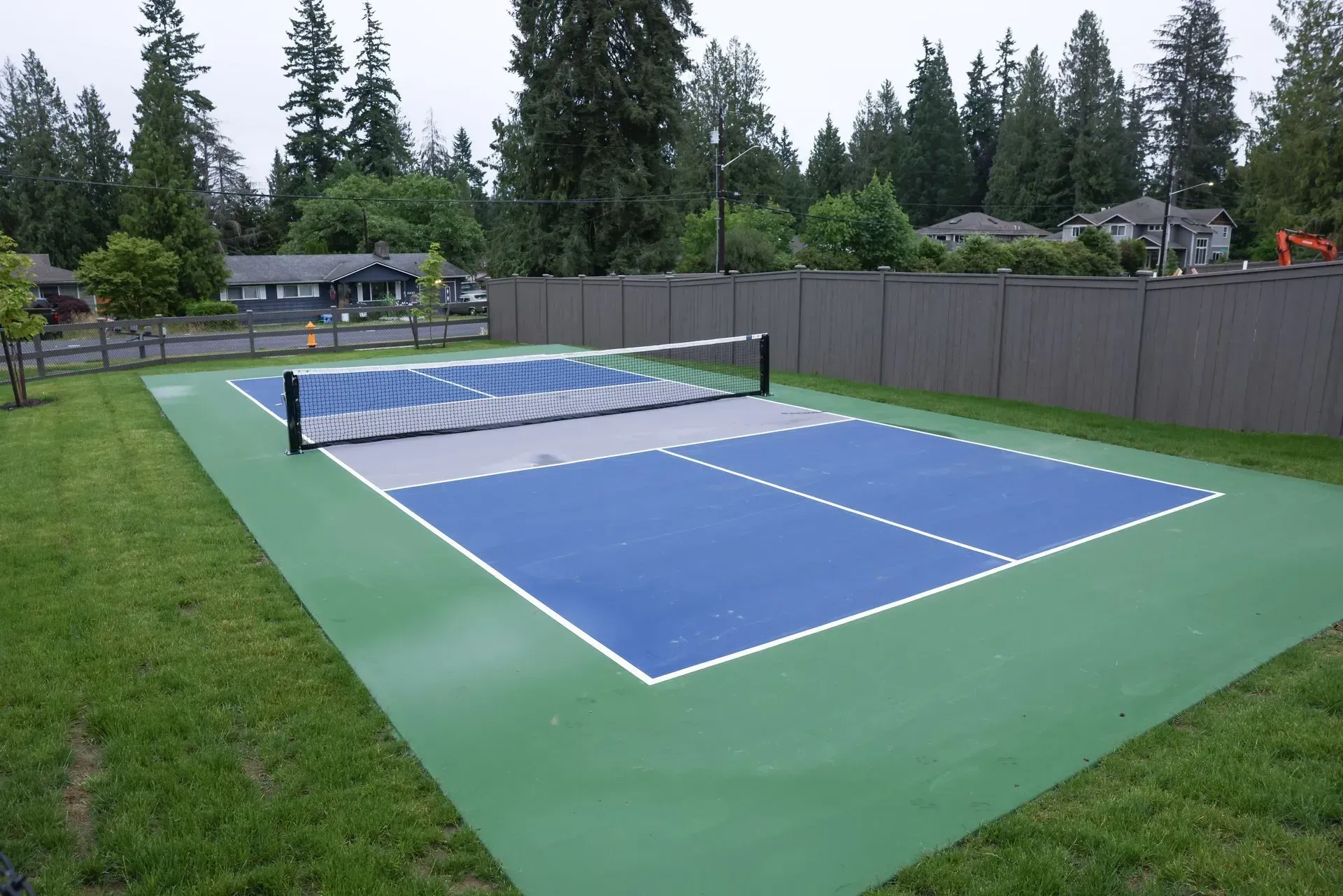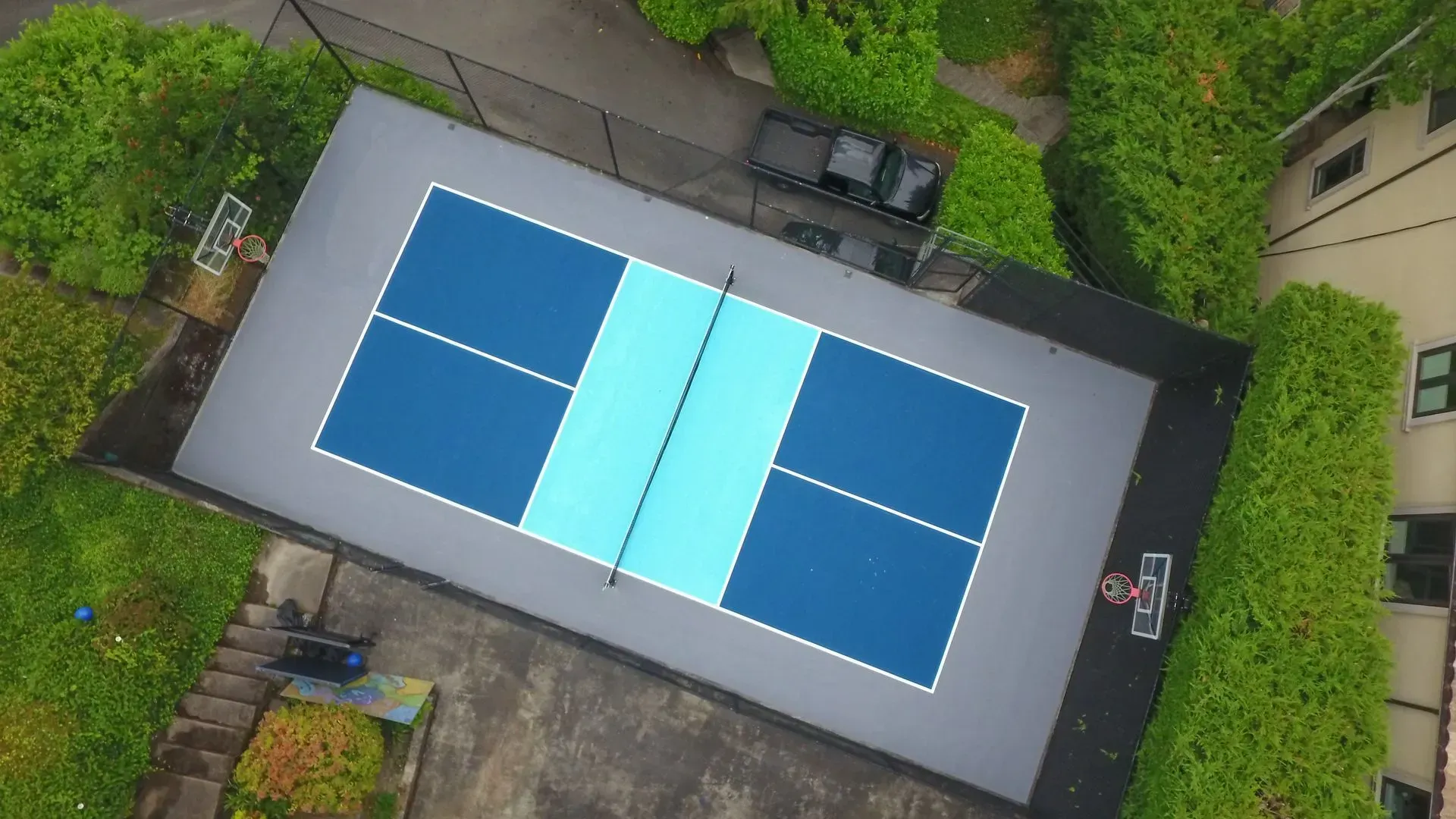
The Cheapest Way to Build a Pickleball Court at Home
The cheapest way to build a pickleball court at home involves choosing the right surface system, keeping the footprint to the minimum viable size, and completing site prep correctly upfront. In the Seattle area, backyard courts start around $15,000 and can reach $40,000 depending on drainage, surface type, and add-ons. Integrity Pickleball Courts builds courts across Western Washington and breaks down exactly where that money goes.
The gap between a $16,000 project and a $28,000 one in Bellevue or Sammamish usually comes down to decisions made during the planning stage before a shovel breaks ground.
Why Pickleball Court Costs Vary So Much
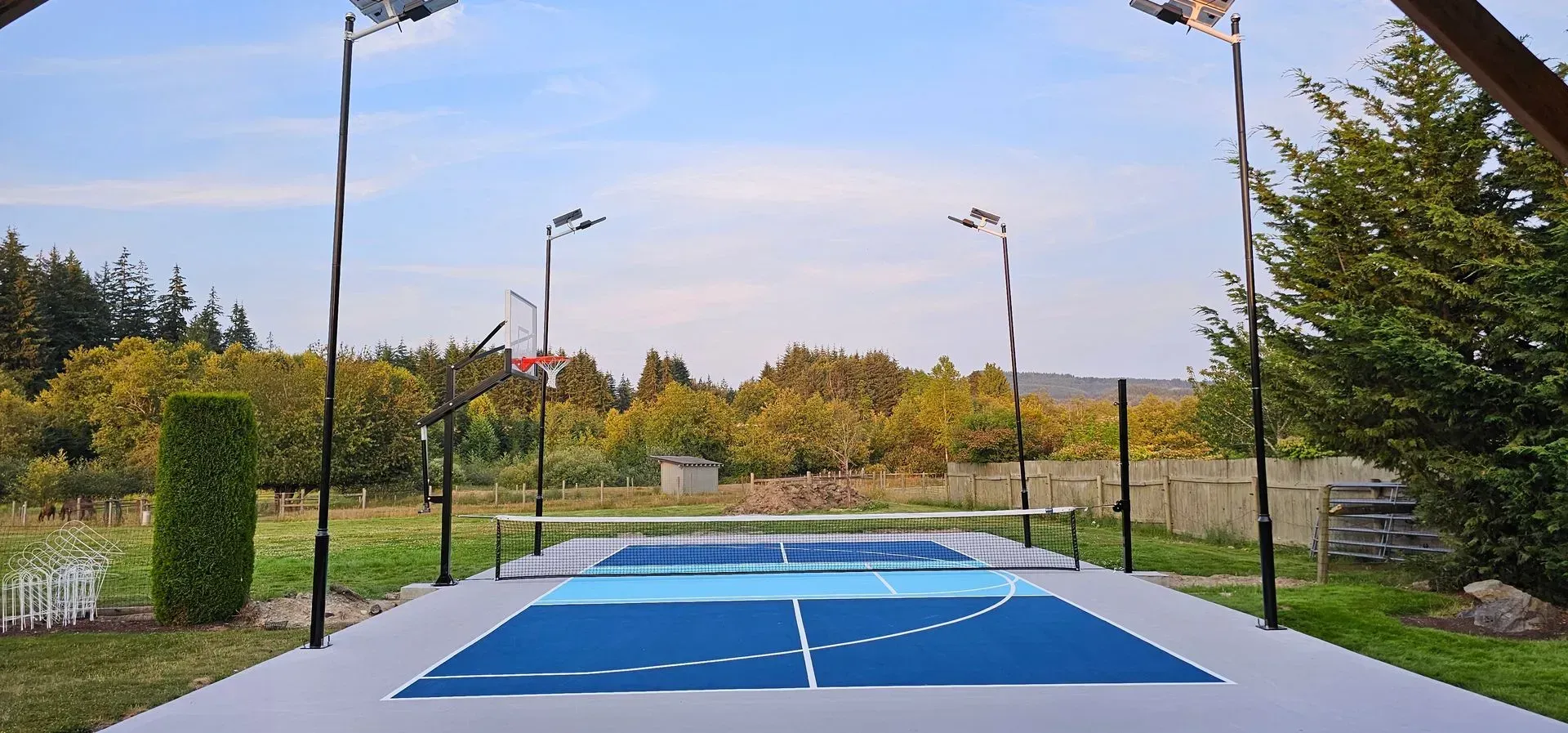
No two sites are identical, which is why estimates span such a wide range. The three biggest variables are site conditions, court size, and what you add beyond the playing surface.
According to USA Pickleball, the minimum court size is 30' x 60' (roughly 1,800 square feet), with 34' x 64' as the preferred play area. Every optional feature adds cost: fencing, lighting, permanent net posts. For homeowners in hillside neighborhoods in Issaquah or Woodinville where lots have significant grade changes, site prep alone often becomes the largest line item.
The Biggest Budget Decision: Surface Type
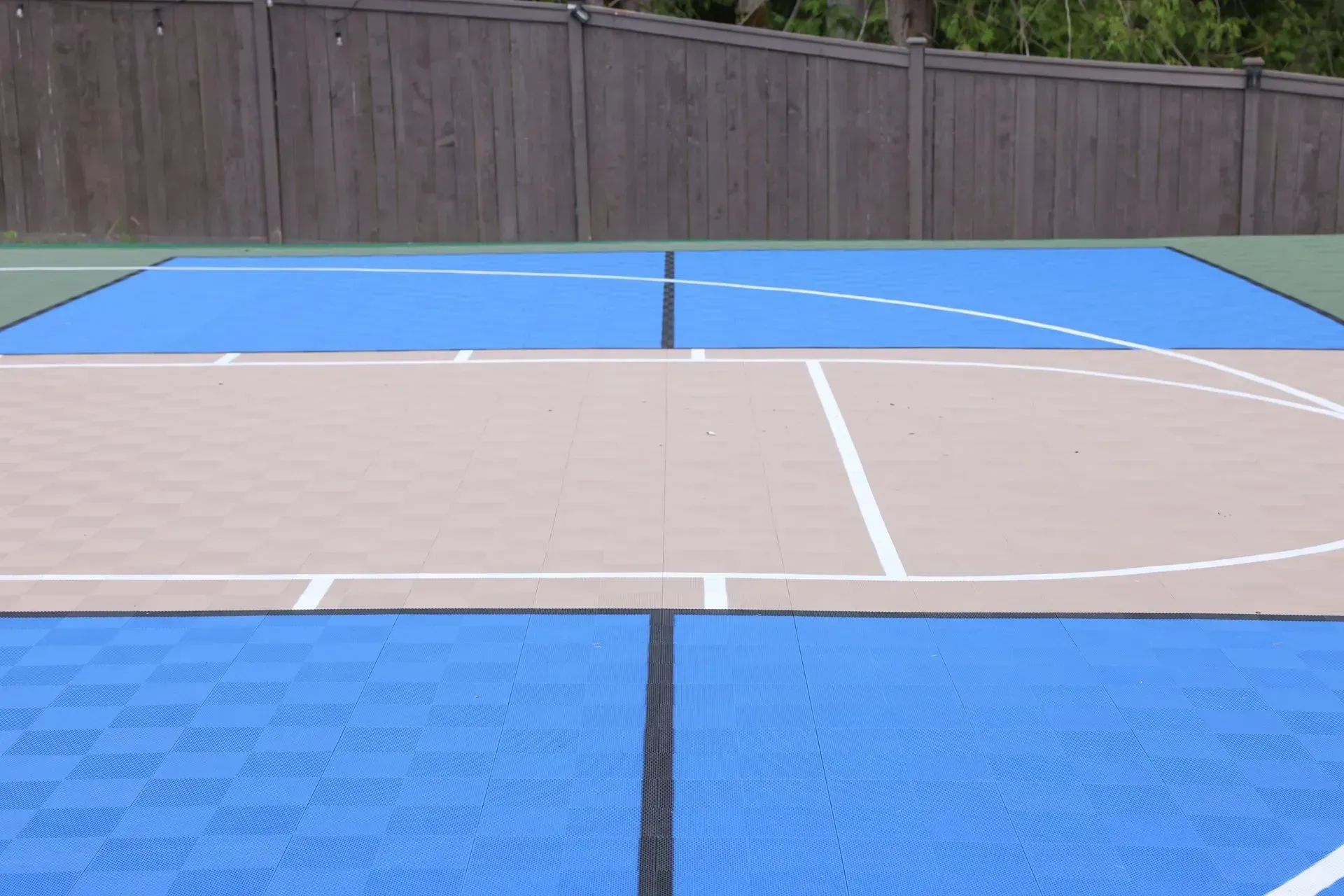
Surface choice moves your budget more than almost anything else. The two main options are acrylic surface coatings and modular interlocking tiles.
Acrylic systems are applied in multiple layers over a concrete slab. They deliver the traditional hard-court feel competitive players prefer. Acrylic courts are also the more cost-effective option upfront. Modular tile systems cost more but offer built-in drainage, faster drying after rain, and better joint impact absorption.
Seattle sees rain on roughly half the days in a year, so drainage matters here more than in most markets. Tile courts dry within minutes; acrylic needs more time. For most budget-focused homeowners, acrylic on a well-drained concrete base is the practical starting point. Knowing the materials in a pickleball court surface helps you compare bids.
Site Prep Is Where Budgets Get Ambushed
Site prep is where court budgets most often blow past estimates. A flat, well-draining lot in Kirkland or Redmond lands on the lower end of the cost range. Properties with drainage issues, significant slope, or clay-heavy soil cost more. Skipping proper grading can produce a slab that cracks through Western Washington winters.
Know your site before getting quotes. Backyard pickleball court construction always starts with a site evaluation; contractors who skip it are guessing.
Smart Ways To Stretch Your Court Budget
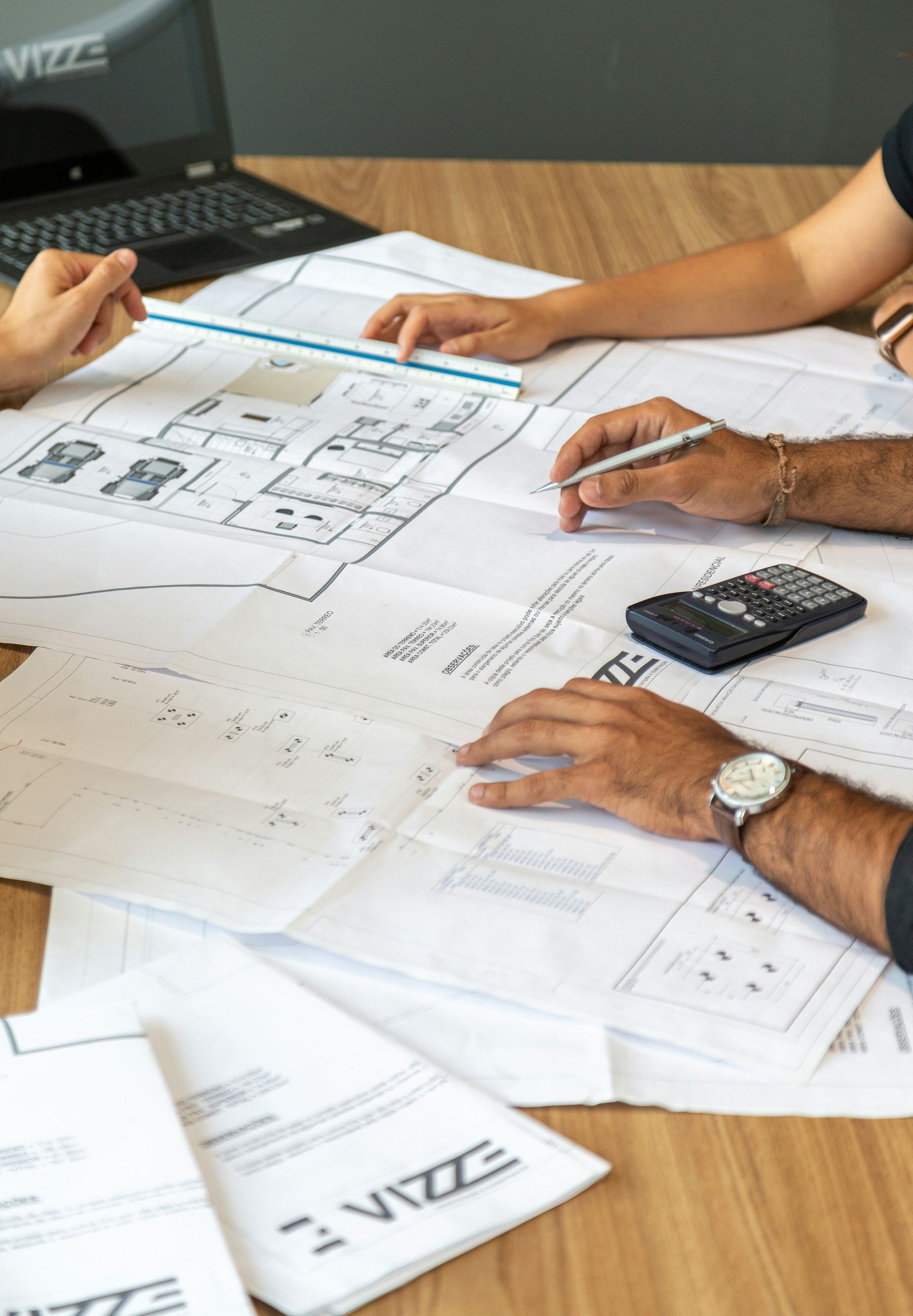
There are real ways to reduce costs, and shortcuts that tend to backfire.
What saves money:
- Start with the minimum 30' x 60' footprint and plan to expand later
- Skip fencing initially; add it after the slab is poured
- Choose acrylic surfacing if drainage isn't a concern on your lot
- Handle permit research early to avoid delays
What tends to cost more long-term:
- Skipping base prep: slabs can crack when the base isn't compacted and graded correctly
- Taking the lowest bid without verifying what's in the scope
- Ignoring drainage until winter proves the point
Reviewing standard pickleball court dimensions helps you right-size the footprint before the first quote arrives.
Frequently Asked Questions
Can I build a pickleball court myself to save money?
DIY concrete and surfacing is technically possible, but pickleball courts require precise grading, proper base compaction, and coatings applied within specific temperature and humidity windows. Most homeowners who attempt it end up with drainage problems or surface flaws that often cost more to fix than professional installation would have.
How long does it take to build a backyard pickleball court in the Seattle area?
Most residential projects in Western Washington take 7 to 14 days, covering site prep, base installation, surface application, and line marking. Seattle's wet weather can extend that timeline since coatings need dry conditions to cure. Integrity Pickleball Courts accounts for Pacific Northwest weather in every project schedule.
Do I need a permit to build a pickleball court in my backyard?
In most Seattle metro cities, yes. Permits are required for impervious surface additions. HOA approval may also be needed. Requirements vary: Bellevue, Kirkland, and Renton each have different thresholds. Pickleball court builders serving the Seattle metro and Eastside typically handle all permit applications as part of a full-service build.
Build Smart From the Start
The most cost-effective court is the one that holds up, not the one with the lowest quote that needs full resurfacing in year three. Prioritize site prep, pick the right surface, and right-size the footprint. Those decisions control the final price more than anything else.
Get a free quote from Integrity Pickleball Courts and find out what your yard actually needs.
Recent Posts